

This Biblically Accurate God: Revealing the True Glory Beyond Human Imagination explores God’s nature as shown in Scripture. It moves beyond human images and focuses on biblical truth. God’s glory is powerful, holy, and awe-inspiring. The Bible reveals a greatness beyond simple understanding.
Understanding Biblically Accurate God: Revealing the True Glory Beyond Human Imagination deepens faith and reverence. It helps believers see God through His Word, not assumptions. True knowledge brings humility and wonder. Let Scripture shape how we see God’s glory.
The Concept of a Biblically Accurate God
Understanding who God truly is remains one of humanity’s most profound pursuits. In an age saturated with competing religious claims and personal opinions, the question emerges: How can we know God as He actually is rather than as we imagine Him to be? The answer lies in turning to Scripture itself—the primary, authoritative source for understanding the divine nature.
The phrase “biblically accurate God” emphasizes the importance of allowing Scripture to shape our understanding rather than projecting our preferences, cultural assumptions, or limited human reasoning onto the Almighty. This article explores what the Bible reveals about God’s character, addresses common misconceptions, and demonstrates why knowing God accurately transforms lives.
Core Divine Attributes Revealed in Scripture
God’s qualities are not distant or theoretical ideas. They reveal His true nature. Throughout Scripture, we see core attributes that show who God has always been and will forever remain.
Essential Divine Attributes
Scripture unveils God through specific attributes that define His nature. These aren’t abstract philosophical concepts but revealed truths that help us comprehend the incomprehensible.
God’s eternality means He exists outside time’s constraints—He has no beginning and no end. His immutability assures us that His character never changes despite our circumstances. The omnipresence of God confirms He is not limited to physical location; He is fully present everywhere simultaneously. His self-existence distinguishes Him from all creation—He depends on nothing and no one for His being.
These attributes work together harmoniously. God’s unchanging nature gives us confidence that His love today will remain His love tomorrow. His omnipresence means no one suffers alone, forgotten in some distant corner of creation.
God’s Various Forms and Manifestations
Throughout Scripture, God reveals Himself in ways human beings can comprehend, though these manifestations represent only glimpses of His full glory. These appearances, called theophanies, accommodate our limited capacity to encounter the divine.
Key Distinctions in Divine Manifestation
Direct encounters include Moses at the burning bush, where God revealed His personal name, and Isaiah’s throne room vision, where seraphim covered their faces before divine holiness. Angelic representatives sometimes carried God’s message and authority, as when the Angel of the Lord appeared to Gideon. Natural phenomena like fire, clouds, and storms often accompanied God’s presence, communicating His power and transcendence.
These varied manifestations teach an important principle: God condescends to meet humanity where we are, making Himself known in ways we can grasp without being destroyed by His unfiltered glory.
Biblical Descriptions of God’s Appearance
Prophetic visions offer only brief insights into divine glory. Human words fall short when trying to express what cannot be fully explained.
Prophetic Visions of Divine Glory
The prophets received extraordinary visions that pushed language to its limits. Ezekiel describes a figure on a throne with the appearance of a man, surrounded by brilliant light and color “like the appearance of a rainbow in the clouds on a rainy day.” Daniel sees the Ancient of Days with clothing white as snow and hair like pure wool, sitting on a fiery throne.
These descriptions employ comparative language—”like,” “as,” “the appearance of”—because human vocabulary cannot capture divine reality directly. The prophets communicate impressions, effects, and responses rather than photographic descriptions. The overwhelming response to these visions is worship mixed with terror, reverence combined with wonder.
Progressive Revelation of God’s Character
God’s self-disclosure unfolds gradually throughout Scripture, not because He changes but because humanity’s capacity to understand develops over time.
Stages of Divine Self-Disclosure
In the patriarchal period, God revealed Himself primarily through promises and personal encounters. During the Mosaic era, He gave the Law, establishing standards of holiness and justice. The prophetic age expanded understanding of God’s heart for justice, mercy, and future redemption. Finally, the New Testament brought the complete revelation in Jesus Christ, the Word made flesh.
Each stage built upon previous revelation, clarifying and expanding rather than contradicting what came before. This progressive pattern demonstrates God’s patience as a teacher, introducing truth at a pace humanity could absorb.
Jesus Christ: The Complete Revelation of God

Every earlier revelation ultimately directed humanity to Christ. In Him, the true and faithful picture of God is fully revealed in human form.
Christ as the Perfect Image of God
Jesus is not simply a spokesman for God—He is God made flesh. Colossians 1:15 calls Him “the image of the invisible God.” The Greek term eikōn points to a precise and complete representation, not a vague likeness.
Jesus as God’s Exact Representation
In character, Jesus displayed perfect love, mercy, justice, and holiness. In authority, He forgave sins, commanded nature, and will judge all humanity. In relationship, He revealed God as Father, making divine intimacy accessible to all who believe. In purpose, He accomplished redemption, demonstrating that God’s ultimate plan centers on reconciling humanity to Himself.
This revelation is complete and final. We need no additional prophets or scriptures because God has fully spoken through His Son.
Divine Attributes Displayed Through Jesus
Christ’s ministry displays every aspect of God’s character in perfect harmony. What He does reflects God’s heart with complete faithfulness.
Christ’s Demonstration of Divine Attributes
Jesus’ earthly ministry provided concrete examples of abstract divine qualities. His compassion for the hurting demonstrated God’s mercy. His confrontation of religious hypocrisy revealed God’s hatred of pretense. His willingness to suffer showed that divine love involves sacrifice. His resurrection proved God’s power over death itself.
What might seem like contradictory attributes—justice and mercy, transcendence and intimacy, power and gentleness—find perfect harmony in Christ. He didn’t emphasize some divine attributes while minimizing others; He embodied them all completely.
Jesus as the Key to Understanding Scripture
Christ is the key that brings clarity to the whole of Scripture. As Luke 24:27 recounts, Jesus walked through the writings of Moses and the Prophets, showing how they all pointed to Him. In the end, every part of the Bible finds its unity and meaning in Christ.
Christ as the Interpretive Lens
Jesus Himself taught that all Scripture points to Him. On the Emmaus road, He explained to confused disciples how Moses and the prophets spoke of His suffering and glory. This means we properly understand the Old Testament only when we see how it anticipates Christ.
The Law points to humanity’s need for a perfect sacrifice. The Prophets announce the coming Messiah and His kingdom. The Psalms express the full range of human experience that Christ would enter and redeem. The Wisdom Literature finds its fulfillment in Christ, who is the wisdom of God.
Reading Scripture without this Christocentric focus often leads to misinterpretation, reducing the Bible to merely moral lessons or historical records rather than recognizing its unified testimony to God’s redemptive work.
God’s Redemptive Work Through Christ
Christ fulfills what humanity was incapable of achieving independently, and through His redemptive work, the character of God is made fully known.
Christ’s Redemptive Accomplishments
| Redemptive Aspect | Biblical Foundation | Practical Outcome |
| Substitutionary Atonement | Christ bore our sins on the cross, satisfying divine justice | Believers are declared righteous, freed from guilt and condemnation |
| Victory Over Sin and Death | Through resurrection, Christ defeated humanity’s ultimate enemies | Believers receive power for transformation and eternal life guarantee |
| Reconciliation to God | Christ removed the barrier between holy God and sinful humanity | Believers enjoy intimate relationship and direct access to the Father |
These accomplishments aren’t separate theological categories but interconnected realities that together constitute salvation. Christ didn’t merely provide an example or inspiration—He actually accomplished what humanity could never achieve.
Essential Characteristics of the Biblically Accurate God

Going beyond simple descriptions of God’s attributes is essential. These qualities shape and change how we live and relate each day.
Divine Omnipotence and Omniscience
God’s unlimited power and comprehensive knowledge work inseparably. His omnipotence means nothing is impossible for Him; His omniscience means nothing surprises Him or escapes His awareness.
How God’s Power and Knowledge Work Together
God’s power is never exercised blindly or impulsively because it’s guided by perfect knowledge. His knowledge doesn’t leave Him passive because He possesses the power to act decisively. Together, these attributes assure us that God both knows our needs completely and possesses unlimited resources to address them.
This combination also explains divine patience. God doesn’t act precipitously because He sees the complete picture from beginning to end. What seems like divine delay to us represents perfect timing in His eternal perspective.
Perfect Holiness and Righteous Justice
God’s holiness sets Him apart as absolutely pure, completely separate from evil, and supremely worthy of honor. His justice means He judges rightly, rewards appropriately, and maintains moral order in His creation.
The Relationship Between Holiness and Justice
Holiness forms the foundation of justice. Because God is holy, He cannot ignore, overlook, or minimize sin. His justice isn’t arbitrary punishment but the necessary expression of His holy nature. A “holy” God who tolerates evil would be a contradiction.
Yet this creates humanity’s fundamental problem: How can sinful people approach a holy God? The answer again points to Christ, who bridges the gap through His sacrifice, satisfying both divine holiness and justice while extending mercy to repentant sinners.
Boundless Love and Abundant Mercy
Perhaps no attribute receives more emphasis in Scripture than God’s love. Yet biblical love differs radically from sentimental affection or emotional attachment. God’s love is volitional, sacrificial, and eternal.
Divine Love and Mercy in Action
God’s love moved Him to create beings capable of relationship. His mercy prevents immediate judgment that sin deserves. His grace provides what we haven’t earned and don’t deserve. These three—love, mercy, and grace—interweave throughout the biblical narrative.
The cross supremely demonstrates these attributes. Love motivated God to send His Son. Mercy withheld immediate condemnation. Grace freely offered salvation to anyone who believes. This pattern continues as God patiently extends opportunity for repentance rather than immediately executing judgment.
The Triune Nature of God: Father, Son, and Spirit

The biblically faithful understanding of God affirms His eternal existence as Trinity, a doctrine that fundamentally reorients theological comprehension.
Biblical Foundation for the Trinity
The doctrine of the Trinity—one God existing eternally in three distinct persons—emerges from comprehensive biblical teaching rather than a single proof text.
Scriptural Evidence for Trinitarian Doctrine
Monotheism is established clearly: “Hear, O Israel: The Lord our God, the Lord is one.” Yet the New Testament reveals plurality within the Godhead: Jesus claims divine prerogatives, the Spirit is called God, and all three persons appear together at Jesus’ baptism. Eternal distinctions exist among the persons—the Father sends the Son, the Son obeys the Father, the Spirit is sent by both.
This isn’t mathematical absurdity (1+1+1=1) but ontological reality (1x1x1=1). The three persons share one divine essence completely while maintaining distinct roles and relationships.
God the Father’s Role
The Father functions as the source within the Trinity, sending the Son and the Spirit to accomplish redemption.
The Father’s Work in Redemption
The Father planned salvation before creation, choosing a people for Himself. He sent the Son at the appointed time to accomplish redemption. He draws people to Christ through the Spirit’s work. He disciplines believers as beloved children. He prepares the eternal home for His family.
Understanding the Father’s role corrects the misperception that He is an angry judge whom Jesus must appease. Instead, “God so loved the world that he gave his one and only Son”—the Father initiated redemption out of love.
God the Son’s Work
Christ achieves redemption through His incarnation, death, and victorious resurrection. He serves as the mediator between God and humanity.
Christ’s Divine and Mediatorial Functions
As fully God, Christ possesses all divine attributes. As fully human, He serves as mediator between God and humanity. This dual nature enables Him to represent humanity before God and reveal God to humanity.
Christ’s work includes creation—all things were made through Him; revelation—He made the Father known; redemption—He died for sins; intercession—He continually advocates for believers; and consummation—He will return to complete salvation history.
God the Holy Spirit’s Ministry
The Spirit brings redemption into the lives of individuals. Though His work is often misunderstood, it is absolutely essential.
The Spirit’s Multifaceted Work
The Holy Spirit often receives less attention than the Father and Son, yet His ministry is indispensable. He convicts unbelievers of sin, righteousness, and judgment. He regenerates spiritually dead people, giving new life. He indwells all believers permanently. He seals believers as God’s possession. He sanctifies progressively, conforming believers to Christ’s image. He empowers service and witness. He intercedes with groans too deep for words.
Without the Spirit’s work, the gospel message would fall on deaf ears, believers would lack power for transformation, and the church would be merely another human organization.
The Relational Character of God
God exists eternally as a loving community. This reality defines His very essence.
Implications of God’s Triune Nature
God’s triune nature means that relationship exists within God Himself—Father, Son, and Spirit have loved and communed eternally. This carries profound implications:
God created humanity for relationships because He is relational. We’re made in the image of a relational God, explaining our deep need for connection. Love is God’s fundamental nature, not merely His attitude. The Trinity has eternally existed in perfect love. Community and unity matter deeply. Jesus prayed that His followers would reflect the unity He shares with the Father.
Correcting Common Misconceptions About God
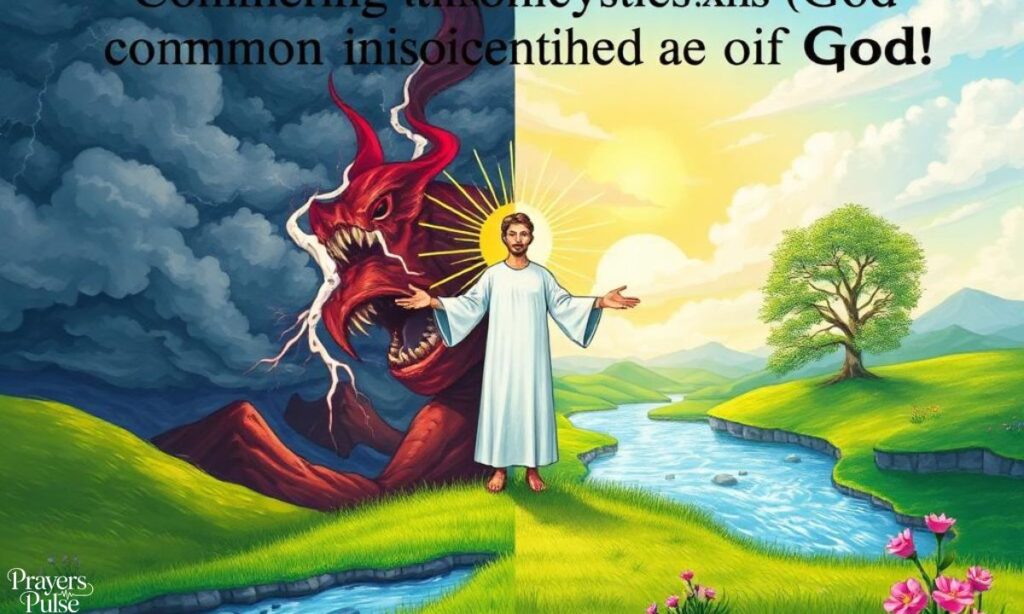
False ideas about God damage faith profoundly. Scripture provides necessary corrective truth consistently.
Why Distorted Views of God Develop
Knowing the sources of our beliefs helps us avoid theological mistakes. Many factors can lead to misunderstandings about God’s nature.
Sources of Theological Distortion
Cultural conditioning shapes assumptions about authority, power, and relationships that we unconsciously project onto God. Negative personal experiences, especially with authority figures, create emotional barriers to seeing God clearly. Selective reading of Scripture emphasizes favorite passages while ignoring balancing truths.
Philosophical presuppositions imported from outside Scripture distort interpretation. Inadequate teaching leaves people with childhood conceptions never matured through study.
These sources often work together, reinforcing misconceptions that become difficult to recognize, much less correct.
False Images That Misrepresent God
Some misconceptions continue to distort the true God revealed in Scripture. Recognizing them allows us to correct them intentionally.
Common Distortions of God’s Character
The “cosmic policeman” image views God as primarily watching for infractions to punish. The “divine Santa Claus” reduces God to a wish-granter who exists to provide comfort and blessings. The “distant watchmaker” imagines God created the universe but remains largely uninvolved. The “grandfather in the sky” emphasizes sentimentality while minimizing holiness and justice.
Each distortion contains a grain of truth stretched into caricature. Yes, God judges sin—but He’s not merely a policeman. Yes, God gives good gifts—but He’s not obligated to fulfill our wish lists. Yes, God is sovereign over creation—but He actively sustains and governs it. Yes, God is loving—but His love includes discipline and correction.
How Scripture Corrects Our Understanding
God’s Word continually corrects misconceptions. Accepting Scripture as the ultimate authority calls for humility and deliberate effort.
Process for Correcting Misconceptions
Comprehensive reading prevents selective interpretation by engaging all of Scripture. Context examination considers historical, literary, and theological contexts. Comparison of passages allows Scripture to interpret Scripture. Humility and teachability acknowledge our tendency toward bias. Community engagement provides checks against individual blind spots.
This process requires patience—deeply held misconceptions don’t disappear overnight. But gradually, consistent exposure to Scripture reshapes understanding, replacing false images with accurate ones.
Reconciling Old and New Testament Portraits of God
Many misunderstand the relationship between the Old and New Testaments. Grasping progressive revelation fully resolves these seeming contradictions.
Progressive Revelation Explained
God intentionally disclosed truth progressively over time, with subsequent revelations systematically building upon prior foundations.
Understanding Development in Divine Disclosure
Progressive revelation doesn’t mean God changed or that earlier revelation was false. Rather, God disclosed truth incrementally, building precept upon precept as humanity was prepared to receive it.
Think of a parent teaching a child. A parent might tell a young child, “Don’t touch the stove; it’s hot.” As the child matures, the parent explains combustion, heat transfer, and burn severity. The early warning wasn’t false—it was appropriate to the child’s capacity. Similarly, God revealed truth at a pace matched to humanity’s spiritual development.
God’s Consistent Character Throughout Scripture
God’s character is unwavering and faithful, revealing His love, justice, and mercy consistently throughout all of Scripture.
| Divine Attribute | Old Testament Expression | New Testament Expression |
| Holiness | Demands for ritual purity, separation from pagan practices, divine presence in the temple | Christ’s perfect obedience, believer’s sanctification, temple of the Holy Spirit in each Christian |
| Justice | Written law with specified penalties, judgment on nations, prophetic warnings | Christ satisfying justice through substitutionary death, final judgment, warnings against presuming on grace |
| Love | Covenant faithfulness to Israel, provision and protection, calls to return after apostasy | Christ’s incarnation and sacrifice, adoption into God’s family, promise of Christ’s return for His bride |
Divine Attributes Across Both Testaments
Despite superficial differences in how God reveals Himself, His core character remains constant. The God who thundered from Sinai is the same God who tenderly entered human flesh as a baby. The God who judged Israel’s idolatry is the same God who wept over Jerusalem’s rejection.
The key difference lies not in God’s character but in the stage of redemptive history. The Old Testament anticipates and prepares for Christ; the New Testament reveals and explains Him.
Divine Judgment Across Both Testaments
Scripture consistently reveals God’s wrath. Both the Old and New Testaments affirm the reality of His divine justice.
Continuity of Divine Justice
Many stumble over Old Testament accounts of divine judgment, viewing them as incompatible with Jesus’ message of love. Yet Jesus Himself spoke more about hell than any other biblical figure. He pronounced woes on unrepentant cities, predicted Jerusalem’s destruction, and described final judgment in sobering detail.
Both Testaments affirm that God judges sin necessarily because of His holiness. Both reveal His patience in delaying judgment to allow repentance. Both demonstrate that judgment ultimately serves redemptive purposes—removing evil so that goodness can flourish.
Christ’s Interpretation of Difficult Passages
Jesus offers a guiding framework for interpreting difficult passages. His method demonstrates how Scripture should be properly understood.
Jesus’ Hermeneutical Approach
Jesus consistently interpreted Old Testament passages in light of their ultimate purpose: revealing God’s redemptive plan. He corrected misinterpretations that distorted original intent, as when He explained that Moses permitted divorce because of hard hearts, not because God desired it.
When religious leaders used Scripture to condemn, Jesus revealed its true purpose: to bring people to God. When they emphasized external compliance, He highlighted internal transformation. His interpretive approach provides the model for reading difficult Old Testament passages.
Unity of God’s Redemptive Plan
Scripture follows a single, consistent storyline. The theme of redemption links Genesis to Revelation without interruption.
Consistent Redemptive Thread
From Genesis to Revelation, one story unfolds: God creating, humanity rebelling, and God pursuing redemption. The sacrificial system pointed forward to Christ’s ultimate sacrifice. The prophets announced His coming. The Psalms expressed the full human experience He would enter. The wisdom literature found its fulfillment in Him.
This unified narrative prevents pitting the Old Testament against New or suggesting they present different gods. Instead, we see one God working consistently across centuries to accomplish humanity’s salvation.
Common Misinterpretations Regarding God’s Nature

Even devoted believers often misinterpret key truths. Addressing these misunderstandings strengthens trust in God’s character.
Balancing Divine Love and Justice
Love and justice are not opposing traits in God. They exist together perfectly in His unified character.
How Love and Justice Coexist
Some emphasize God’s love while minimizing His justice, creating a permissive deity who overlooks sin. Others stress His justice while downplaying His love, producing a harsh judge impossible to please. Both distortions fail to recognize how these attributes work together.
God’s love doesn’t contradict His justice—it motivated Him to satisfy justice through Christ’s sacrifice. His justice doesn’t negate His love—it ensures genuine goodness ultimately prevails. At the cross, love and justice meet perfectly: love provided the sacrifice, justice accepted it.
Understanding Sovereignty and Human Responsibility
God’s sovereignty and real human choice exist together in a mystery. Scripture teaches both, even if it doesn’t explain how.
The Paradox of Divine Control and Human Choice
Scripture affirms both God’s absolute sovereignty and human moral responsibility. God works all things according to His purpose, yet humans make real choices with real consequences. This creates an apparent paradox: If God controls everything, how are humans responsible? If humans make free choices, how is God sovereign?
The Bible maintains both truths simultaneously without fully explaining their relationship. God’s sovereignty operates on a different level than human choice—He works through, not against, human decisions. People choose according to their desires, yet God superintends events to accomplish His purposes.
Rather than resolving this tension through philosophical speculation, Scripture calls us to live in the reality of both truths: trusting God’s sovereign control while accepting responsibility for our choices.
Why Biblical Accuracy Matters in Understanding God
Accurate theology isn’t an academic exercise its transformational necessity. Knowing God rightly changes everything profoundly.
Knowing God as He Truly Is
Authentic relationships require accurate knowledge fundamentally. Distorted perceptions create false intimacy inevitably.
Scripture as the Sole Reliable Source
Personal experience, human reason, and religious tradition all offer insights but prove unreliable as ultimate authorities. Experience varies widely between individuals. Reason, while valuable, is limited and affected by sin. Tradition sometimes preserves truth but can also perpetuate error.
Only Scripture provides objective, authoritative revelation of who God is. It alone stands as God’s self-disclosure to humanity. When we subordinate Scripture to other authorities, we inevitably reshape God in our image rather than allowing Him to reveal Himself.
Guiding Faith and Daily Decisions
Theology shapes daily life in meaningful ways. Knowing God’s character guides us to make wise decisions.
Practical Impact of Accurate Theology
Understanding God’s character isn’t merely academic—it shapes every aspect of life. If we believe God is primarily a judge, we’ll approach Him with fear and distance. If we reduce Him to a cosmic butler, we’ll become demanding and ungrateful. If we understand Him biblically, we’ll respond with appropriate reverence, grateful love, and confident trust.
Accurate theology provides the foundation for wise decisions. Knowing God’s priorities helps us discern His will. Understanding His character gives confidence in prayer. Recognizing His purposes brings peace during trials.
Building Authentic Personal Relationship
Closeness with God grows as we gain true understanding of Him. A relationship with the biblically faithful God changes life entirely.
Intimacy Grounded in Truth
Relationships require knowledge. We can’t truly love someone we don’t know. Superficial acquaintances produce shallow connections. Similarly, intimacy with God depends on knowing Him as He actually is, not as we imagine Him to be.
Scripture provides this knowledge, revealing God’s heart, priorities, and ways. As we study Scripture prayerfully, the Holy Spirit uses it to transform our understanding, replacing misconceptions with truth. This process deepens relationships, moving from distant acquaintances to intimate friendships.
Countering False Representations
The world often presents false ideas about God. Believers need to recognize and correct these mistakes regularly.
Correcting Theological Distortions
Every generation faces distorted presentations of God. Some portray Him as perpetually angry, others as indifferent to sin. Some reduce Him to a force or energy, others make Him too human. Biblical literacy equips believers to recognize and correct these distortions.
When we know Scripture well, we can discern truth from error. When false teaching arises, we can respond with scriptural correction. When cultural assumptions conflict with biblical revelation, we can maintain faithful witness.
Life Transformation Through Knowing God’s True Nature

Truly knowing the God revealed in Scripture transforms life entirely. Theology becomes personal when this truth takes root in the heart.
From Fear to Confident Assurance
Understanding God’s character turns fear into courage. What once caused terror becomes reverent awe and bold confidence in approaching Him.
Replacing Dread with Bold Access
Misunderstanding God’s character often produces unhealthy fear—dread of punishment, anxiety about acceptance, worry about unworthiness. While reverent fear remains appropriate, paralyzing dread doesn’t characterize the relationship with God revealed in Christ.
The New Testament repeatedly assures believers of confident access to God. We can approach His throne boldly, not because we’re worthy but because Christ has made us acceptable. We need not fear condemnation because there is none for those in Christ Jesus. This confidence transforms prayer from anxious pleading to trusting conversation.
From Religious Performance to Grace-Based Rest
Understanding God’s acceptance in Christ frees us from striving. Effort is replaced by joyful, grateful response.
Shifting from Striving to Receiving
Many approach God as a demanding taskmaster requiring constant performance to maintain His favor. This produces an exhausting religion focused on rule-keeping and appearances. But accurate understanding of God’s character reveals that relationship with Him is based on grace, not performance.
Christ accomplished what we could never achieve. Our acceptance depends on His work, not ours. This liberates us from the treadmill of religious striving into the rest of grace. We serve God from gratitude, not fear. We obey from love, not compulsion. We grow through dependence on His Spirit, not self-effort.
Worship Marked by Reverence and Intimacy
True biblical worship blends awe and love perfectly. Neither casual behavior nor rigid formality truly honors God.
Balanced Worship Characteristics
Biblical worship holds together what our culture often separates: transcendent majesty and intimate accessibility. God is the King of kings dwelling in unapproachable light, yet He invites us to call Him Father. He is the Creator of galaxies, yet He numbers the hairs on our heads.
Worship that emphasizes only transcendence produces cold formality. Worship focused solely on intimacy degenerates into casual familiarity. Biblical worship maintains both—approaching with reverent awe while enjoying intimate relationship, honoring His majesty while resting in His love.
Prayer Grounded in Trust
Comprehension of God’s character transforms prayer from mere petition into confident engagement, with requests demonstrating awareness of His heart and intentions.
Confidence in God’s Character
Understanding God’s attributes transforms prayer from wishful thinking into confident communication. We pray knowing He hears because He’s omnipresent. We trust His answers because He’s omniscient. We rest in His will because He’s perfectly good and wise.
Prayer becomes less about persuading God to change His mind and more about aligning ourselves with His purposes. We bring requests boldly, knowing He delights in giving good gifts, while trusting that He knows better than we do what we truly need.
Living with Divine Purpose and Hope
Knowing God’s sovereignty and goodness builds steadfast hope. Life then takes on lasting meaning and clear direction.
Transformational Outcomes
Knowing God accurately provides unshakeable hope. If God is truly sovereign, nothing happens outside His control. If He genuinely loves us, He works all things for our ultimate good. If He is faithful, His promises will certainly be fulfilled.
This hope doesn’t depend on circumstances changing but on God’s character remaining constant. It sustains us through trials, energizes us in service, and enables us to persevere when others quit. We can invest in eternal purposes because we know God’s kingdom will ultimately triumph.
Practical Steps to Learn About the Biblically Accurate God
True understanding comes through intentional, consistent effort. Growth demands deliberate practices woven into daily life.
Systematic Study of Biblical Texts
Reading randomly leads to incomplete understanding. Careful, organized study gradually uncovers the full truth.
Organized Approach to Studying God’s Attributes
Rather than random Bible reading, systematic study focuses intentionally on understanding God’s character. Choose one divine attribute and trace it through Scripture. Study biblical books that emphasize God’s nature, like the Psalms, Isaiah, or John’s Gospel. Use cross-references to connect related passages.
Consider using study tools: concordances help find related passages, commentaries provide scholarly insight, and systematic theologies organize biblical teaching topically. But always test human interpretations against Scripture itself.
Seeking Divine Guidance Through Prayer
Learning Scripture without prayer stays purely intellectual. It is the Spirit who illuminates its truth and authority in our hearts.
Prayer Practices for Deeper Understanding
Study alone proves insufficient—we need God’s Spirit to illuminate truth. Before reading Scripture, pray for understanding. Ask God to reveal Himself through His Word. Confess dependence on His teaching ministry.
As you study, pause to pray through what you’re learning. If a passage reveals God’s holiness, respond with worship. If it displays His mercy, thank Him. If it presents challenges, ask for wisdom. This keeps study from becoming merely academic, transforming it into relational encounters.
Community and Fellowship’s Vital Role
Isolation often leads to misunderstanding Scripture and spiritual pride. Being in a community provides guidance, support, and encouragement.
Maximizing Communal Learning
God designed believers to learn and grow together. Individual study remains vital, but communal engagement provides essential benefits: others see what we miss, collective wisdom corrects individual blind spots, discussion clarifies confused thinking, and accountability prevents drift.
Participate in Bible studies that emphasize careful attention to Scripture. Engage with mature believers who model faithful interpretation. Read theological works by trusted teachers. Discuss what you’re learning with fellow Christians. This communal dimension guards against idiosyncratic interpretations while enriching understanding through diverse perspectives.
Understanding God as He truly is—biblically accurate rather than culturally comfortable—stands as the foundation of authentic Christian faith. This knowledge transforms how we worship, pray, serve, and live. It replaces anxiety with peace, performance with grace, and confusion with clarity.
Most importantly, it enables genuine relationship with the God who has revealed Himself through Scripture and supremely through Jesus Christ. May we pursue this knowledge diligently, allowing God’s self-revelation to shape our understanding and transform our lives.
Frequently asked questions
What does “Biblically accurate God” mean?
It refers to understanding God’s true nature as described in Scripture, beyond human imagination.
Why is God’s glory beyond human understanding?
God’s majesty and holiness are infinite, far exceeding what we can fully comprehend.
How can I learn about the biblically accurate portrayal of God?
Through studying the Bible, prayer, and teachings of faithful Christian scholars.
What are examples of God’s glory in the Bible?
Descriptions include radiant light, overwhelming power, and majestic holiness.
Can humans perceive God’s glory fully?
No, humans can experience and reflect His glory but cannot fully comprehend it.
Why is it important to know God biblically accurately?
It helps believers worship sincerely, understand His character, and live faithfully.
How is God’s glory revealed in Scripture?
Through miracles, creation, divine acts, and prophetic visions.
Can God’s glory inspire believers today?
Yes, it motivates faith, awe, devotion, and righteous living.
Are there spiritual benefits to understanding God’s true glory?
Yes, it strengthens faith, provides guidance, and deepens relationships with Him.
Where can I study the biblical description of God’s glory?
Through the Bible, theology books, sermons, and Christian study guides.
Conclusion
Biblically Accurate God: Revealing the True Glory Beyond Human Imagination reminds us of God’s immense power and majesty. It shows that His ways and glory are far beyond what humans can fully understand. Studying His Word helps us grow in faith and awe. God’s presence inspires reverence and trust in every aspect of life.
Learning about Biblically Accurate God: Revealing the True Glory Beyond Human Imagination deepens our spiritual understanding. It encourages believers to seek His guidance and live righteously. Recognizing His glory strengthens faith and hope. Ultimately, it reveals a God whose greatness surpasses all human imagination.

Denzel is a passionate faith writer with four years of experience in prayer and Bible blogging. He now contributes has expertise to PrayersPulse.com, creating inspiring content that strengthens prayer life and deepens understanding of Scripture.