

This Biblically Accurate Lucifer Revealed: What the Bible Actually Teaches examines Scripture to understand Lucifer’s true origin and fall. It separates biblical truth from myths and traditions. The Bible presents a story of pride, rebellion, and judgment. Understanding this brings clarity to a misunderstood topic.
Studying Biblically Accurate Lucifer Revealed: What the Bible Actually Teaches helps believers rely on God’s Word alone. It shows the seriousness of sin and the cost of turning from God. Biblical truth strengthens discernment and faith. Scripture always reveals more than assumptions.
Biblically Accurate Understanding of Lucifer’s Identity
The figure known as “Lucifer” occupies a unique space in Christian consciousness—simultaneously familiar and profoundly misunderstood. Modern culture has painted a vivid picture of this fallen being: a red-skinned devil with horns, pitchfork, and tail, ruling a fiery underworld.
Yet this theatrical image bears little resemblance to what Scripture actually reveals. A biblically accurate understanding of Lucifer requires stripping away centuries of artistic embellishment, linguistic confusion, and theological conflation to discover what God’s Word truly teaches about this mysterious figure.
Common Misconceptions About Lucifer in Modern Culture
Popular culture has given us a Lucifer shaped more by Dante, Milton, and Hollywood than by biblical text. Most people envision a demonic ruler of hell, a red-skinned tormentor wielding supernatural power over flames and punishment. This entity supposedly stands as God’s equal opposite—a dark counterpart engaged in eternal cosmic battle.
Modern television shows and films portray Lucifer as everything from a misunderstood antihero to a charming rebel with a legitimate grievance against divine authority. These portrayals reflect contemporary values of individualism and rebellion against authority rather than biblical theology.
The association between Lucifer and eternal hellfire is so ingrained that many Christians assume it comes directly from Scripture. Similarly, the idea that Lucifer currently rules hell as its monarch seems self-evident to most Western believers. Yet these assumptions find surprisingly little direct support in biblical passages.
What Scripture Actually Reveals About Lucifer
The biblical data on Lucifer is remarkably sparse and concentrated in just two primary Old Testament passages: Isaiah 14:12-15 and Ezekiel 28:12-17. Neither text provides the elaborate biography that popular imagination has constructed.
Isaiah’s prophecy addresses the king of Babylon using exalted language that theologians believe also references a greater spiritual reality behind earthly kingdoms. The passage describes a fall from heaven and thwarted ambition to ascend above the stars of God.
Ezekiel’s oracle against the prince of Tyre similarly employs language that seems to transcend any merely human ruler, describing a being of perfection, beauty, and privileged position in Eden who became corrupted through pride.
What’s striking about these passages is what they don’t say. There’s no physical description matching popular imagery, no account of ruling hell, and no explicit identification with the serpent in Genesis or with Satan in the New Testament.
The Hebrew Original: Helel and Its True Meaning
The word translated “Lucifer” in some English Bibles comes from the Hebrew “helel ben shachar” in Isaiah 14:12. This phrase literally means “shining one, son of the dawn” or “day star, son of the morning.” The Hebrew term relates to brightness and splendor, evoking the morning star (the planet Venus) that appears before sunrise.
In its ancient Near Eastern context, this imagery conveyed the height of glory followed by sudden descent—just as the morning star shines brilliantly but disappears when the sun rises. The metaphor captured perfectly the pride and fall that Isaiah prophesied.
Notably, the original Hebrew text doesn’t use “Lucifer” at all. This name emerged through translation history rather than original revelation.
Jerome’s Latin Vulgate and the Birth of ‘Lucifer’
When Jerome translated the Hebrew Scriptures into Latin around 400 AD for his Vulgate Bible, he rendered “helel” as “Lucifer”—a legitimate Latin word meaning “light-bearer” or “light-bringer.” In classical Latin, “Lucifer” was simply the name for the morning star, the planet Venus in its pre-dawn appearance.
Jerome’s translation choice was appropriate for his time and language. He selected a Latin term that conveyed the brightness and morning-star imagery of the Hebrew original. The problem arose when this proper noun in Latin became understood as a personal name rather than a descriptive title.
For centuries in Latin-speaking Christianity, “Lucifer” remained primarily a translation of that one Hebrew phrase—a title describing a brilliant being who fell from glory.
King James Translation and English Christian Tradition
The 1611 King James Version retained “Lucifer” from the Latin tradition, cementing this term in English Christian vocabulary:
“How art thou fallen from heaven, O Lucifer, son of the morning! how art thou cut down to the ground, which didst weaken the nations!” (Isaiah 14:12, KJV)
This translation decision had enormous consequences for English-speaking theology. “Lucifer” became synonymous with the devil in popular understanding, even though most modern translations have returned to “morning star,” “day star,” or similar renderings that preserve the original Hebrew meaning.
The English Christian tradition that developed around the KJV increasingly treated Lucifer as a proper name and primary designation for Satan, even though this goes beyond the biblical text’s actual usage.
Biblically Accurate Description of Lucifer’s Appearance
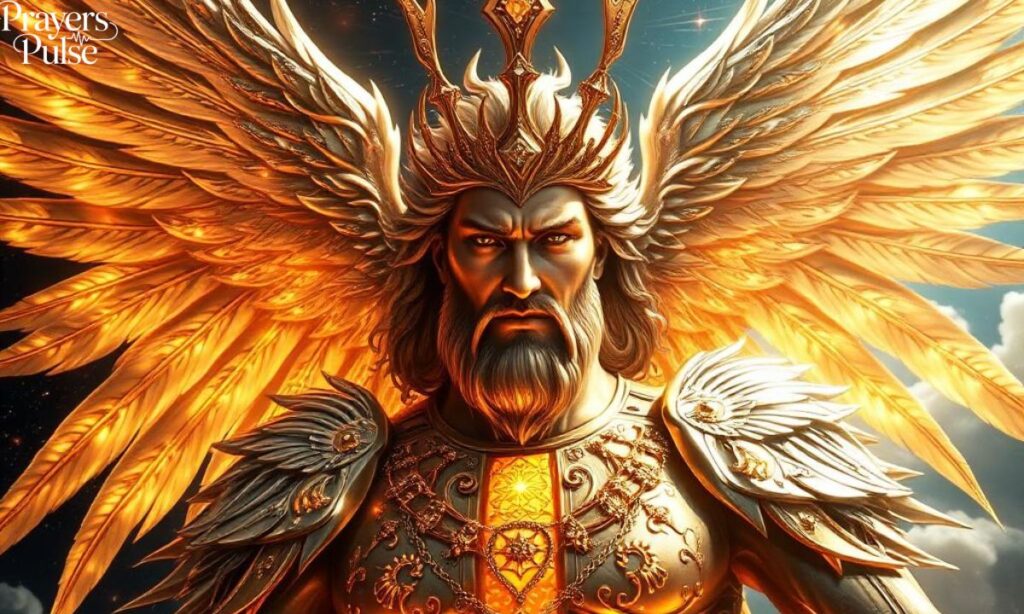
Scripture provides virtually no physical description that matches popular depictions. The biblical portrait emphasizes beauty, perfection, and glory rather than monstrous features.
Lucifer’s Pre-Fall Glory According to Ezekiel
Ezekiel 28:12-15 offers the most detailed glimpse of Lucifer’s original state:
The prophet describes a being of absolute perfection—”full of wisdom and perfect in beauty.” This creature was “in Eden, the garden of God,” adorned with precious stones: sardium, topaz, diamond, beryl, onyx, jasper, sapphire, emerald, and gold.
The passage identifies this being as the “anointed cherub who covers”—language suggesting a guardian position of extraordinary privilege. This cherub walked among the “fiery stones” and was created blameless in all ways from the day of creation.
This is no grotesque demon but a being of unparalleled splendor and dignity, crafted by God as a masterpiece of creation.
The Morning Star Imagery in Isaiah’s Prophecy
Isaiah’s “morning star” metaphor emphasizes radiance and prominence. The morning star is the brightest object in the pre-dawn sky—spectacular in its brilliance, commanding attention, seemingly sovereign over the darkness.
This imagery suggests a being of extraordinary light and glory, one who occupied a position of visibility and honor in the heavenly realm. The brightness implied by “helel” indicates a creature designed to reflect and bear divine glory.
There are no horns, no red skin, no pitchfork in Scripture’s actual description. Instead, we find beauty, wisdom, perfection, and radiant glory.
Does Lucifer Possess Physical Form After His Fall
The Bible remains largely silent on Lucifer’s post-fall appearance. We receive no description of physical transformation or current embodiment.
Scripture describes Satan (if he is indeed the same being) as a spiritual entity who operates in the heavenly realms and on earth, but offers no detailed picture of his form. The New Testament presents him as the “prince of the power of the air” and the “god of this world”—descriptions emphasizing authority and influence rather than physical characteristics.
This biblical silence is significant. The elaborate descriptions of monstrous appearance that fill Christian art and literature are human additions, not divine revelation.
What Biblical Silence Tells Us Lucifer Is Not
The absence of physical description in Scripture suggests several important points:
First, whatever Lucifer’s current state, it’s apparently not the red devil of popular imagination. That figure has no biblical basis.
Second, the focus of biblical revelation regarding fallen angels centers on their spiritual rebellion and moral corruption, not their physical appearance. Scripture emphasizes the nature of their sin rather than their aesthetic characteristics.
Third, as spiritual beings, angels (fallen or unfallen) may not possess the kind of fixed physical form that would require detailed description. They apparently can manifest in various ways when interacting with the physical world.
The biblical portrait refuses to satisfy our curiosity about appearance, directing our attention instead to character, choices, and consequences.
Critical Distinction Between Lucifer and Satan in Scripture
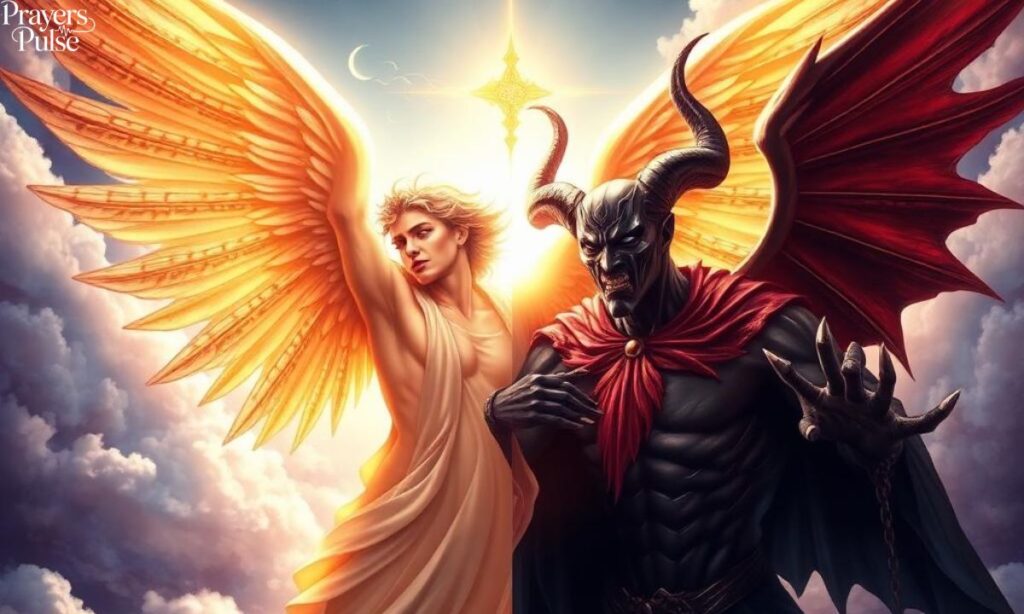
One of the most significant misconceptions in popular Christianity involves equating Lucifer directly with Satan.
While many believers assume these are simply two names for the same being, a careful examination of Scripture reveals a more complex picture.
Biblical Evidence Supporting Their Distinction
The name “Lucifer” appears only once in most English Bibles—in Isaiah 14:12—and the passage directly addresses the king of Babylon. The immediate context is a taunt against a fallen earthly ruler, not explicitly a discussion of the devil.
“Satan,” conversely, appears throughout both Testaments as the adversary (the meaning of the Hebrew word “satan”). The biblical Satan appears in Job, tempts Christ in the Gospels, and is identified in Revelation as the “ancient serpent” and the “accuser”.
Nowhere does Scripture explicitly state “Lucifer is Satan” or “Satan is Lucifer.” This equation comes from interpretive tradition, not direct biblical statement.
The theological connection rests primarily on the assumption that Isaiah 14 and Ezekiel 28, while ostensibly addressing earthly kings, contain language too exalted for mere humans and therefore must refer to a greater spiritual reality—namely, Satan’s fall. This interpretation is reasonable but represents theological deduction rather than explicit revelation.
How Christian Tradition Merged These Figures
The conflation of Lucifer with Satan developed gradually through early church interpretation of these prophetic passages. Church fathers like Origen and Tertullian read Isaiah 14 and Ezekiel 28 as describing Satan’s prehistoric fall, interpreting the earthly kings as types or shadows of the greater spiritual rebellion.
By the medieval period, this identification was largely assumed throughout Western Christianity. Theologians and artists reinforced it through countless sermons, commentaries, and visual representations.
The fusion became so complete that separating these figures became nearly impossible in popular theology. “Lucifer” became simply another name for the devil, used interchangeably with Satan, the serpent, the dragon, and various other designations.
Protestant Reformers’ Rejection of the Equation
Not all Christian traditions have fully embraced this identification. Some Protestant Reformers and subsequent biblical scholars have questioned whether Isaiah 14 and Ezekiel 28 actually refer to Satan at all, suggesting they might be purely poetic hyperbole addressing human rulers.
This more conservative reading notes that Scripture never explicitly makes the connection and that forcing these passages to speak of Satan may actually be reading later tradition back into the text rather than drawing theology out from it.
Modern evangelical scholars remain divided, with some maintaining the traditional identification and others advocating for more cautious interpretation that acknowledges the ambiguity of the biblical data.
Why This Theological Distinction Matters Today
Understanding the difference between what Scripture explicitly states and what tradition has inferred matters for several reasons.
First, it promotes biblical accuracy and intellectual honesty. Believers should distinguish between divine revelation and human interpretation, however ancient and widespread that interpretation might be.
Second, it guards against theological overconfidence. Recognizing the limitations of our knowledge about spiritual realities cultivates appropriate humility.
Third, it focuses attention on what Scripture clearly teaches about Satan’s nature and activity rather than speculative details about his prehistory or appearance.
Finally, it reminds us that our enemy is not primarily a figure from ancient mythology but a present spiritual adversary whose defeat was accomplished through Christ’s death and resurrection—whatever his origin story might be.
Biblically Accurate Account of Lucifer’s Fall and Significance
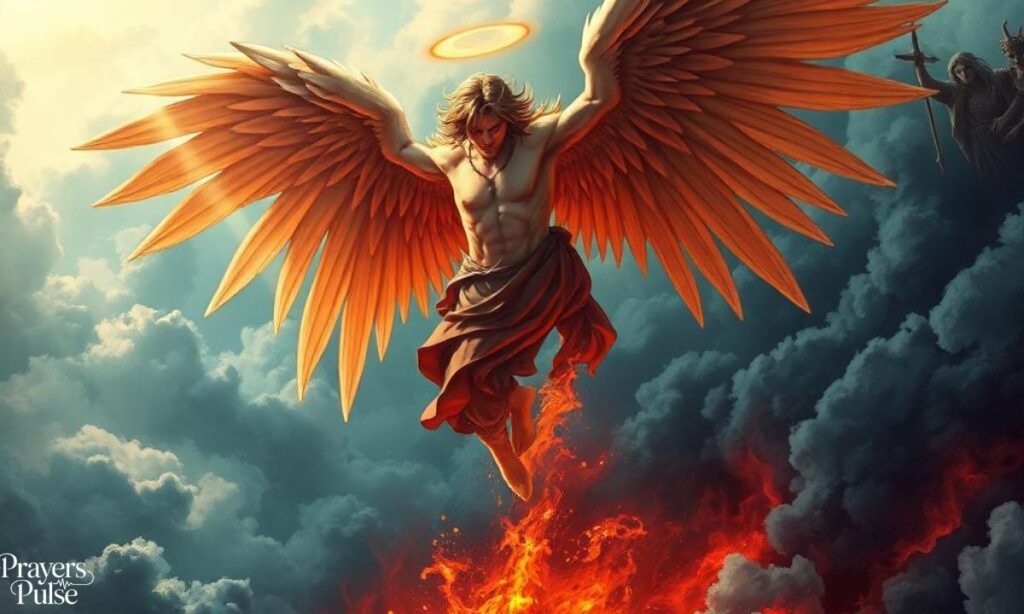
The rebellion that transformed a perfect being into God’s enemy represents one of Scripture’s most sobering narratives, though it requires careful reading across multiple passages to piece together.
The Narrative of the Fallen Angel in Scripture
Ezekiel 28:15-17 provides the clearest account: “You were blameless in your ways from the day you were created, till unrighteousness was found in you… Your heart was proud because of your beauty; you corrupted your wisdom for the sake of your splendor.”
This passage identifies the precise cause of the fall: pride arising from recognition of one’s own glory. A perfect being, contemplating the gifts God had bestowed, chose to value himself above his Creator.
Isaiah 14:13-14 elaborates on this prideful ambition: attempts to ascend to heaven, raise a throne above the stars of God, sit on the mount of assembly, ascend above the heights of the clouds, and make himself like the Most High.
Jesus alludes to this event in Luke 10:18: “I saw Satan fall like lightning from heaven.” Revelation 12:7-9 describes a war in heaven resulting in the dragon and his angels being cast down to earth.
These passages together sketch a narrative of perfect creation, prideful rebellion, heavenly warfare, and catastrophic fall—though much remains unstated and mysterious.
Lucifer’s Five ‘I Will’ Declarations of Pride
Isaiah 14:13-14 records five declarations that capture the essence of prideful rebellion:
- “I will ascend to heaven” – Desiring a position not granted
- “I will raise my throne above the stars of God” – Seeking supremacy over other angels
- “I will sit on the mount of assembly” – Claiming divine prerogatives
- “I will ascend above the heights of the clouds” – Pursuing transcendence
- “I will make myself like the Most High” – The ultimate presumption of deity
These five “I wills” contrast starkly with Christ’s attitude in Philippians 2:6-8, who “did not count equality with God a thing to be grasped” but humbled Himself. Where Lucifer grasped upward in pride, Christ descended in humility.
The repetition of “I will” highlights the essence of sin: the assertion of autonomous self-will against God’s sovereign will. This is rebellion in its purest form.
The Nature of Sin: Pride in God-Given Perfection
Perhaps the most troubling aspect of Lucifer’s fall is that it emerged from perfection itself. This being wasn’t created flawed or predisposed to evil. Ezekiel explicitly states he was “blameless” and “perfect” from creation.
The sin arose precisely from the contemplation of perfection—beauty, wisdom, position, and glory. Rather than responding to these gifts with worship of the Giver, Lucifer responded with self-worship.
This reveals something profound about the nature of evil: it’s not merely the corruption of good but can emerge from good itself when that good becomes focused on self rather than God. The greater the gift, the greater the temptation to pride.
Lucifer’s fall demonstrates that even perfect beings with full knowledge of God can choose rebellion—a sobering reality that underscores the fundamental nature of free will and moral choice.
Catastrophic Consequences of Angelic Rebellion
The consequences of this rebellion extended far beyond one being. Lucifer’s fall brought cosmic disruption, introducing evil into God’s good creation.
Jesus describes Satan as a “murderer from the beginning” (John 8:44), suggesting that this rebellion led to death entering reality. Whether this refers to spiritual death, the eventual physical death of humanity, or something else, the language indicates profound destructive impact.
The introduction of deception also traces to this rebellion. Christ calls Satan the “father of lies,” indicating that the fall involved not just prideful self-assertion but the distortion of truth itself.
Perhaps most significantly, the rebellion didn’t remain isolated but spread, corrupting others and eventually extending to humanity through the temptation in Eden. Evil became a communicable spiritual disease, propagating through the created order.
The Scope of Rebellion: One-Third of Angels
Revelation 12:4 cryptically describes the dragon’s tail sweeping down “a third of the stars of heaven” and casting them to earth. In Revelation’s symbolic language, stars frequently represent angels, suggesting that Lucifer’s rebellion drew a substantial portion of the angelic host into sin with him.
This one-third proportion indicates massive spiritual catastrophe. Whatever persuasion or deception Lucifer employed proved effective enough to turn countless perfect beings from their Creator.
The text doesn’t explain how this corruption spread—whether through persuasive argument, false promises, appealing to other angels’ pride, or some combination. But the scope underscores that this wasn’t an isolated incident but a cosmic rebellion affecting the fundamental order of spiritual reality.
These fallen angels, now identified as demons, continue to oppose God’s purposes and afflict humanity, expanding the damage initiated by their leader’s original sin.
Artistic Evolution of Lucifer’s Image Throughout History
The stark contrast between biblical description and popular imagery becomes clear when tracing how Christian art has portrayed this figure across centuries.
Early Medieval Period: The Ethereal Blue Angel
In the earliest Christian artistic traditions, fallen angels including Lucifer were often depicted much like their unfallen counterparts—beautiful, ethereal beings sometimes clothed in blue or other dignified colors.
These portrayals took seriously the biblical emphasis on original perfection and beauty. Even in their fallen state, these beings retained some echo of their created glory in artistic representation.
The focus was less on monstrous transformation and more on the tragedy of corrupted beauty—beings of light who chose darkness while retaining their essential nature as angels.
High Medieval Transformation to Grotesque Forms
As medieval theology developed more elaborate demonology and as artistic styles changed, depictions of Lucifer and demons grew increasingly grotesque and terrifying.
The figure transformed into something bestial—horned, clawed, winged like a bat, sometimes with multiple faces or animalistic features. This transformation reflected theological emphasis on the deformity of sin and the complete corruption of original nature.
Medieval artists borrowed imagery from classical pagan depictions of Pan and satyrs, creating a visual vocabulary that associated evil with darkness, chaos, and the violation of natural order. The beautiful angel disappeared, replaced by nightmare imagery designed to inspire fear and revulsion.
Renaissance Romanticization: Milton’s Tragic Rebel
The Renaissance brought renewed interest in classical literature and more psychologically complex portrayals of traditional figures. John Milton’s 1667 epic poem “Paradise Lost” revolutionized how English-speaking Christians imagined Lucifer.
Milton’s Satan appears as a tragic hero—a being of magnificent intellect and eloquence, driven by pride and wounded dignity to desperate rebellion. The famous line “Better to reign in Hell than serve in Heaven” captures this romanticized portrayal of the adversary as a kind of noble freedom fighter against tyranny.
While Milton remained orthodox in ultimately condemning this rebellion, his vivid characterization gave Satan a complexity and even sympathy absent from earlier medieval portrayals. This humanization of the devil proved enormously influential on subsequent literature and thought.
Victorian Era Through Modern: The Theatrical Red Devil
The nineteenth and twentieth centuries saw the crystallization of the red devil image still dominant today: crimson skin, horns, pointed tail, often holding a pitchfork or trident, presiding over flames.
This cartoonish figure likely draws from multiple sources: medieval mystery plays’ theatrical costumes, political cartoons, literary illustrations, and eventually film and television depictions that required an instantly recognizable visual symbol for evil.
Ironically, as this image became more prevalent, it also became less frightening. The theatrical red devil transformed from object of terror to cultural joke—a figure for Halloween costumes and comic references, evacuated of genuine spiritual menace.
Modern media has fractured even this consensus, offering everything from terrifying horror-movie demons to suave, misunderstood antiheroes, depending on the creator’s theological and artistic purposes.
Contrasts Between Artistic and Biblical Portrayals
The contrast between artistic tradition and biblical text is striking:
Scripture emphasizes: Beauty, wisdom, perfection, light, glory, cherubic nature
Art emphasizes: Ugliness, monstrosity, darkness, terror, bestial features
This divergence reflects the artistic and theological priorities of different eras more than biblical fidelity. Artists sought to make spiritual realities visible and to communicate theological concepts about sin’s deformity through visual symbols.
Yet this well-intentioned effort has created widespread misunderstanding. Most Christians today visualize a figure with no biblical basis, while the actual biblical portrait—a being of corrupted glory whose danger lies in beauty and deception rather than obvious monstrosity—remains largely unknown.
Theological Insights from a Biblically Accurate Lucifer
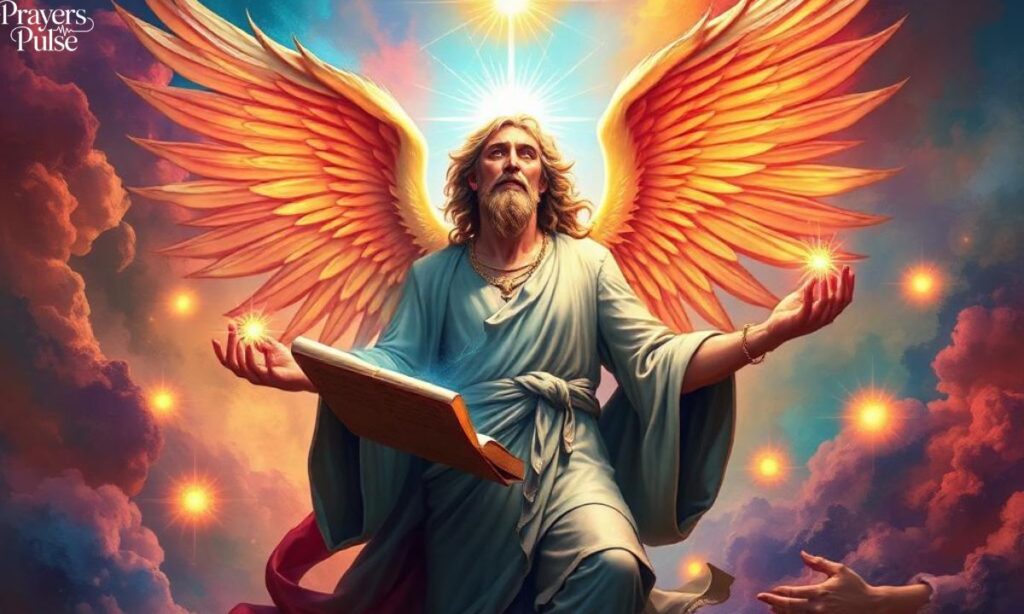
Returning to Scripture’s actual portrayal yields profound theological insights often obscured by popular misconceptions.
The Paradox of Created Perfection and Free Will
Lucifer’s fall presents a genuine theological paradox: How does a perfect being in a perfect environment with full knowledge of God choose evil?
This question touches the mystery of libertarian free will—the capacity to choose genuinely between alternatives without being determined by prior conditions. If Lucifer possessed real freedom, then his choice of rebellion was possible even from perfection. If he lacked such freedom, then God would be culpable for his fall.
The biblical narrative assumes that created perfection includes moral freedom, not just sinless programming. True goodness requires the possibility of its opposite, or it becomes mere determinism rather than virtue.
This paradox reveals that even in paradise, freedom carries risk—a risk God accepted in creating beings capable of love, worship, and relationship, which require genuine choice to be meaningful.
The Origin of Evil Within a Perfect Being
Lucifer’s rebellion addresses one of philosophy’s most persistent questions: the origin of evil. If God created all things good, where did evil come from?
The biblical answer appears to be that evil originated not from God’s creation but from the misuse of created good. Evil emerged when a perfect being turned good gifts—beauty, wisdom, position—into occasions for self-worship rather than worship of the Creator.
This suggests that evil is fundamentally parasitic—not a substance or creation in itself but a corruption of good, a twisting of the right relationship into rebellion. Evil has no independent existence but exists only as the privation or perversion of good.
Lucifer demonstrates that the most dangerous evil may arise not from created deficiency but from created excellence wrongly directed. The greatest gifts pose the greatest temptations.
Pride’s Specific Temptation: Giftedness and Position
The specific nature of Lucifer’s temptation provides crucial insights for understanding pride. This wasn’t the pride of the weak compensating for inadequacy but the pride of the genuinely gifted recognizing their gifts.
Lucifer actually was more beautiful, wise, and exalted than other created beings. His self-assessment wasn’t factually wrong—only wrongly directed. The problem wasn’t false pride but pride in real excellences, valued for self rather than referred back to God as their source.
This reveals that positions of authority and giftedness carry special spiritual danger. Those with genuine talents and responsibilities face a unique temptation to attribute glory to themselves rather than to God.
The antidote isn’t denying one’s gifts but maintaining radical dependence on God and using all excellences for His glory rather than self-exaltation. Even in recognizing our God-given abilities, we must remember the Giver rather than focusing on the gift or recipient.
Cosmic Implications: Corrupting Others and Spiritual Warfare
Lucifer’s fall didn’t remain private but initiated cosmic warfare that continues today. His rebellion corrupted other angels, afflicted humanity, and introduced opposition to God’s purposes throughout creation.
This reveals the corporate nature of spiritual reality. Individual choices ripple outward with consequences far beyond the chooser. One being’s rebellion plunged vast reaches of creation into conflict.
Scripture describes an ongoing spiritual war between the kingdom of God and the kingdom of darkness, with humanity as both battleground and prize. This warfare, initiated by Lucifer’s rebellion, will continue until Christ’s final victory consummates God’s plan.
Understanding this cosmic conflict helps make sense of persistent evil, spiritual opposition to faith, and the struggles believers face. We don’t wrestle merely against “flesh and blood” but against spiritual powers whose rebellion predates human history.
Lessons for Humanity: Humility and Dependence on God
Lucifer’s fall offers critical lessons for human flourishing and spiritual health.
First, it warns against pride in all its forms—particularly the subtle pride that arises from genuine accomplishments or gifts. The most dangerous pride recognizes real excellences but fails to refer them back to God.
Second, it underscores the necessity of humility—not false modesty but accurate self-assessment that recognizes all good gifts come from God and exist for His glory, not ours.
Third, it emphasizes dependence on God as the proper posture of creation. We exist by His will, through His power, and for His purposes. Any attempt at autonomy or self-sufficiency replicates Lucifer’s fundamental error.
Fourth, it demonstrates that spiritual position or knowledge doesn’t guarantee perseverance. Lucifer possessed both yet fell. Believers must maintain vigilant dependence on God’s grace rather than presuming on spiritual privilege.
Finally, it points to Christ as the true “morning star” (Revelation 22:16)—the One who fulfilled perfectly what Lucifer attempted in rebellion. Where the false morning star fell, the true Morning Star rose, bringing salvation and demonstrating the path of humility that leads to genuine exaltation.
The biblically accurate portrait of Lucifer challenges many comfortable assumptions and popular images. Rather than the cartoonish red devil of folklore, Scripture presents a sobering picture of corrupted perfection—a being of extraordinary beauty and wisdom who chose self-worship over worship of God, with catastrophic consequences that echo through cosmic history.
This reality calls believers to humility, vigilance, and deep dependence on God. It reminds us that our true enemy is not a theatrical figure with horns and pitchfork but a “roaring lion” seeking whom he may devour, and an “angel of light” whose greatest deceptions often come disguised as beauty and wisdom.
Most importantly, the account of Lucifer’s fall highlights by contrast the glory of Christ—the One who possessed equality with God yet humbled Himself, who descended rather than grasped upward, and who now sits exalted precisely because He first became obedient unto death.
In Christ, we find both the perfect opposite of Lucifer’s rebellion and the certain victory over all its consequences.
Frequently asked question
Who is Lucifer according to the Bible?
Lucifer is traditionally associated with a fallen being linked to pride and rebellion.
Is the name Lucifer directly used in the Bible?
The name appears in Isaiah 14:12 in some translations, often symbolically.
What does Lucifer mean biblically?
Lucifer means “light-bringer” or “morning star,” used metaphorically in Scripture.
Is Lucifer the same as Satan in the Bible?
Many Christians associate Lucifer with Satan, though the Bible uses different contexts.
What caused Lucifer’s fall according to Scripture?
Pride and the desire to exalt himself above God led to his downfall.
Are there biblical passages that describe Lucifer’s rebellion?
Isaiah 14 and Ezekiel 28 are commonly referenced symbolically.
Was Lucifer originally an angel?
Christian theology often teaches he was a powerful angel before falling.
How does the Bible portray Lucifer after the fall?
He is portrayed as an adversary who opposes God’s purposes.
Why is it important to understand Lucifer biblically accurately?
It prevents misconceptions and helps believers focus on God’s truth.
What is the main biblical lesson from Lucifer’s story?
Pride leads to destruction, while humility leads to life.
Conclusion
Biblically Accurate Lucifer Revealed: What the Bible Actually Teaches helps clear common misunderstandings about Lucifer’s story. It shows what Scripture truly says, not myths or popular ideas. Studying the Bible brings clarity and deeper spiritual awareness. Truth is found in God’s Word alone.
Exploring Biblically Accurate Lucifer Revealed: What the Bible Actually Teaches encourages believers to rely on Scripture for understanding. It reminds us of the consequences of pride and rebellion. Learning these truths strengthens faith and wisdom. God’s teachings always guide us toward truth.

Denzel is a passionate faith writer with four years of experience in prayer and Bible blogging. He now contributes has expertise to PrayersPulse.com, creating inspiring content that strengthens prayer life and deepens understanding of Scripture.